

0.00 грн.
CheckoutBeetroot Juice: Taste, Color, and How to Drink It
Our beetroot juice owes its ruby color to a small share of beetroot — 15%; the rest is not-from-concentrate (NFC) apple juice. We grow the beetroot and the apples ourselves. It tastes mild, with the natural sweetness of beetroot, and it isn’t thick. Undiluted beetroot juice is quite different: thick, with a very intense earthy taste, so it is usually diluted with water or mixed with other juices, such as apple or carrot.
Contents
- What beetroot juice tastes like and where the earthy note comes from
- Why beetroot juice is ruby red
- How to drink beetroot juice — and not just drink it
- “Apple-carrot-beetroot” juice from two boxes
- Beetroot, chard, and borscht
- Ingredients and nutritional value
- Table beets under the press: how we make the juice
- Frequently asked questions
What beetroot juice tastes like and where the earthy note comes from
A touch of apple tartness keeps our juice fresh, and the beetroot comes through at the end of each sip. Its earthy note is created by geosmin, the substance that makes soil smell the way it does after rain. The beet produces geosmin itself: in straight beetroot juice the note is strong, but against the apple it remains only a light aftertaste.
Why beetroot juice is ruby red
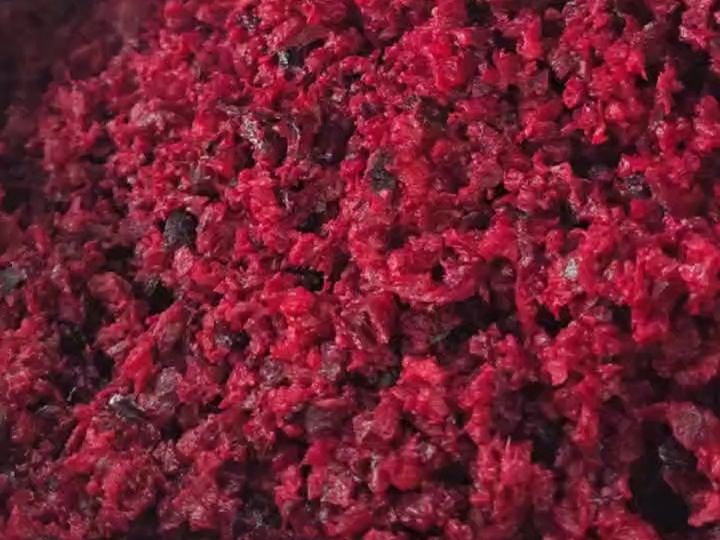
Beetroot gets its color from the pigment betanin. It is so vivid that beetroot is used to color other foods, and our juice works as a natural food coloring at home, too. The pigment builds up in the root unevenly, in layers laid down as rings while the beet grows, which is why a cross-section looks like a target. Betanin doesn’t like heat and fades with prolonged heating; it withstands brief pasteurization — our juice stays ruby red in the glass — but boiling beetroot juice is not a good idea.
How to drink beetroot juice — and not just drink it
1. Beetroot juice with tonic
Pour 100 ml of juice and 100 ml of tonic water into a glass with ice and add an orange slice. The slight bitterness of the tonic sets off the sweetness of the beetroot, making a festive non-alcoholic drink for guests.
2. Pink glaze
Stir two or three teaspoons of juice into 100 g of powdered sugar until smooth and drizzle it over gingerbread cookies or a loaf cake. The glaze will come out a delicate pink.
3. Onion pickled in beetroot juice
Thinly slice a red onion, pour over it 100 ml of juice mixed with two tablespoons of apple cider vinegar and a pinch of salt, and leave for 30 minutes. The onion will turn pink and sweet-and-sour — nice for garnishing salads and vegetable sandwiches.
“Apple-carrot-beetroot” juice from two boxes
To make this juice at home, you have to press apples, carrots, and beetroot. With our juices, it takes a minute: mix apple-beetroot and apple-carrot juice half-and-half.
| 1:1 blend composition | Share |
|---|---|
| Apple juice | 82.5% |
| Carrot juice | 10% |
| Beetroot juice | 7.5% |
You can adjust the proportions to taste: more beetroot means a brighter color and a stronger beet note, more carrot means a softer flavor. Mixed half-and-half, the blend is gentler than beetroot juice and redder than carrot juice. For more on the other half of the blend, see our article on carrot juice.
Beetroot, chard, and borscht
Table beet, sugar beet, fodder beet, and the leaf beet known as chard are one and the same species. They all descend from wild sea beet and differ in what people selected them for over the centuries: some for a sweet root, others for a large root to feed livestock, still others for juicy leaves. Sugar beet was developed after a German chemist proved in 1747 that beet contains the same sugar as sugarcane.
The word “borscht” originally meant a plant, hogweed (borshchivnyk in Ukrainian), then a broth made from it, and only later a soup of beetroot and cabbage. Food historians suggest that beetroot did not appear in borscht until the 16th century. In 2022, the culture of Ukrainian borscht cooking was added to a UNESCO list — the List of Intangible Cultural Heritage in Need of Urgent Safeguarding. You can’t make borscht with our juice — it’s mostly apple — but you can make pink glaze.
Ingredients and nutritional value
Apple-beetroot juice is a blend of two direct-pressed juices: 85 parts apple to 15 parts beetroot.
| Per 100 g of juice | Amount |
|---|---|
| Energy | 171.5 kJ / 41 kcal |
| Protein | 0.7 g |
| Fat | 0 g |
| Carbohydrates | 9.5 g |
Table beets under the press: how we make the juice
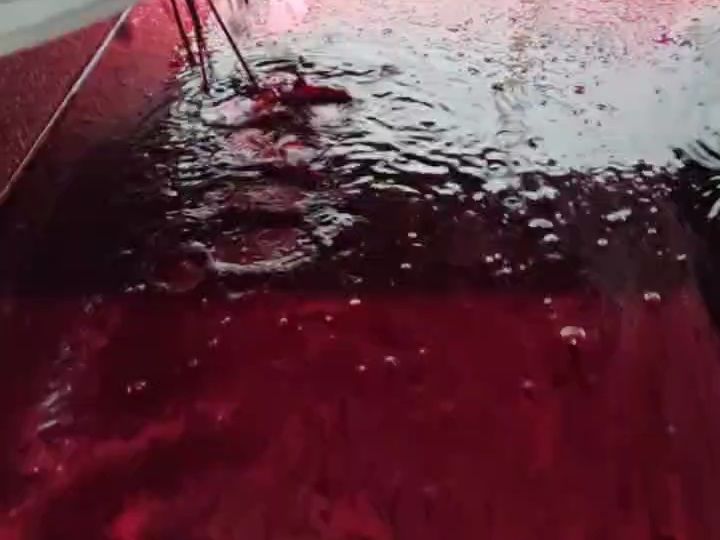
For our juice we use table beets — the same kind that goes into borscht. We crush and press them separately from the apples, and the juice runs from the press in a dark red stream. Then we blend the juices and pasteurize the finished blend before filling.
Frequently asked questions about beetroot juice
Moderately: you notice the beetroot in the color and the aftertaste, while the apple carries the flavor.
Like any other juice: simply by the glass or half-and-half with carrot juice. A few drops of lemon juice will freshen the taste and hide the earthy note.
That advice is meant for freshly pressed homemade juice. As the label says, our juice is ready to drink — you can have it right away.
Wash, peel, and chop raw beetroot, then run it through a juicer together with apples: 1 part beetroot juice to 5–6 parts apple juice gives a taste close to ours.
A New Year’s table, a birthday, a picnic — beetroot juice will add color to them all, and carrot juice will keep it company.
You can order fresh-pressed apple-beetroot juice, 3 L, on our website. The minimum order is two boxes, and you can mix flavors; all our juices are in the “Juices” section. We ship within 1–2 business days via Nova Poshta and Ukrposhta across Ukraine. Our article “Fresh Apple Juice: How We Make It” explains how we make our juices, and “Juice in a Bag-in-Box with a Tap” shows how to open the box and how long it keeps.
Order fresh-pressed apple-beetroot juice →
2026-10-05 12:57:17
Comments:0
Views:339
Comments